Grenson Shoes Review 2026: Are They Worth the Money?
Grenson shoes review: an honest look at the British shoemaker's boots, brogues and loafers — build quality, fit, break-in and who should buy a pair.
Grenson shoes review: the verdict first
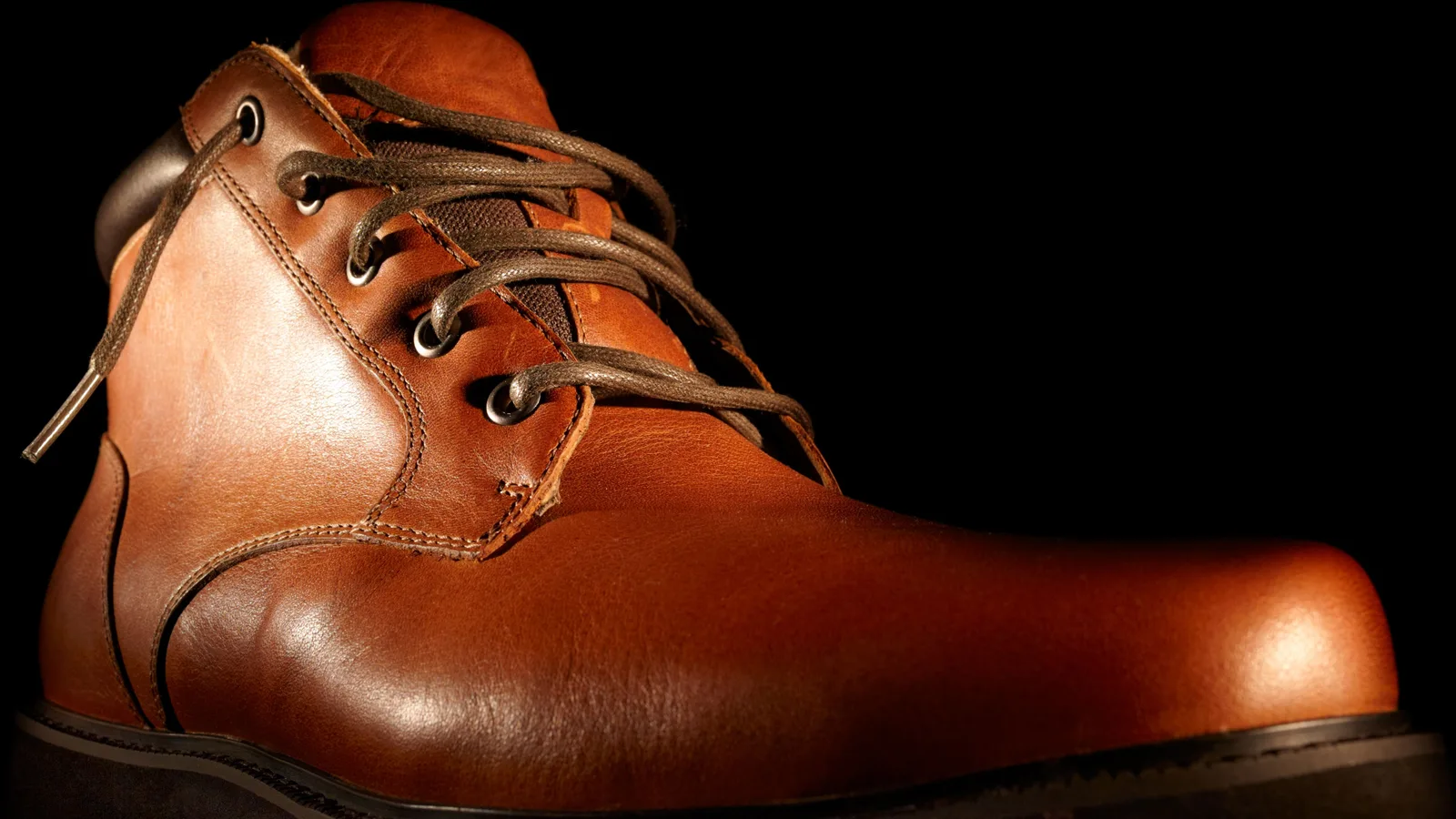
Grenson is one of the few British shoemakers still trading under its own name with a workshop of its own in Northamptonshire, and that shows in the product: heavy-ish leather, visible stitching, and soles designed to be replaced rather than binned. It is not the cheapest way into a welted shoe and it is not the softest thing you will ever put on your foot. But if you want a brogue that looks like a brogue, or a boot that can handle a British winter without looking like hiking kit, it is one of the more interesting places to spend your money.
What Grenson is and who it suits
Grenson has been making shoes in Northamptonshire since 1866, and that heritage is central to the pitch: a British workshop, leather uppers, and a house style that is rounder, heavier and more confident than the sleek shapes you find at a similar price. The range runs from proper business shoes through to chunky lace-up boots and loafers, across men's and women's fits.
It is worth being precise about what you are buying, because the name covers more than one product. Construction and country of origin vary across the range, so read the individual product page rather than assuming every pair is made the same way. What stays consistent is the aesthetic: generous toe boxes, visible stitching, thick soles and colourways that lean on tan, oxblood and black rather than whatever is fashionable this season.
Who it suits: anyone assembling a small rotation of shoes they mean to keep and repair, rather than a large rotation they mean to replace. It also suits people after a British-flavoured alternative to the obvious heritage names — something with more bulk and attitude than a slim Oxford, and less self-conscious than a designer trainer.
Strengths and weaknesses
What Grenson gets right
- Welted construction on the core styles means the soles can be replaced, so the upper isn't landfill after a couple of winters.
- The leathers are substantial and take a polish well — most pairs look better at year three than they did at week one.
- The house silhouette is distinctive without being a costume: round toe, generous fit, a bit of weight underfoot.
- The range moves between suits and denim without embarrassment, which is rarer than it sounds.
What to weigh up
- There is a real break-in on the heavier boots and brogues; the first few wears are not comfortable.
- Premium pricing, and the best-loved styles rarely reach deep discount in common sizes.
- Fit shifts between styles, so buying online frequently involves a return.
- Leather needs looking after — neglected pairs crack, and the outlay is wasted.
None of those weaknesses is a design flaw exactly; they are the cost of the thing being made properly. A shoe that softens instantly is usually a shoe made of corrected-grain leather over a glued sole, and it will not be around in five years. The question is whether you want to pay the break-in tax once, up front.
How Grenson scores on what matters
- Build and materials
- 4.5/5
- Substantial leather uppers and repairable soles put these well above high-street shoes; the chunkier styles feel genuinely weighty.
- Comfort straight out of the box
- 3.5/5
- Expect a break-in, especially on boots and heavier brogues. The leather does soften, but the early wears are firm.
- Range and versatility
- 4.5/5
- From slim derbies to chunky lace-up boots, few British brands cover tailoring and weekend denim this comfortably.
- Value over time
- 4.0/5
- The outlay stings, but a shoe you can resole several times costs less per year than replacing glued pairs every couple of seasons.
- Fit certainty when buying online
- 3.0/5
- Different styles sit differently on the foot, so many buyers end up ordering two sizes and sending one back.
- Style that ages well
- 4.5/5
- Simple, rounded shapes in tan, black and oxblood date far more slowly than anything with a trend built in.
Read those scores as a shape rather than a league table. Grenson is strongest on materials, range and longevity — the things you notice in year two. It is weakest on the things that make buying easy today: certainty of fit and comfort on the first wear. If you shop with that in mind, there are no nasty surprises.
The range at a glance
A rough guide to how the main shapes slot into a wardrobe.
Shape
Formality
- Lace-up brogue or derby
- Smart-casual up to smart
- Chelsea boot
- Smart-casual
- Chunky lace-up boot
- Casual
- Loafer
- Warm-weather smart-casual
Pairs well with
- Lace-up brogue or derby
- Flannel trousers, chinos, dark denim
- Chelsea boot
- Slim jeans, knitwear, unstructured tailoring
- Chunky lace-up boot
- Denim, heavy chore jackets, winter layers
- Loafer
- Shorts, chinos, soft tailoring
Grim weather
- Lace-up brogue or derby
- Fine on dry pavements, less so in slush
- Chelsea boot
- Better with a rubber sole; leather soles are fair-weather
- Chunky lace-up boot
- The strongest choice in the range
- Loafer
- Keep for dry days
If you are buying one pair, the lace-up derby or a rubber-soled boot is the safest place to start: it works with more of your wardrobe than a brogue and takes more punishment than a loafer. If you are buying a second, that is when a suede or oxblood option earns its place — Grenson's colours are one of the reasons people come back.
Fit, sizing and the break-in
Sizing is the part of buying Grenson that trips people up, and it is worth planning for rather than hoping. The shapes differ from one another: a laced shoe can be adjusted across the instep, a Chelsea boot or loafer cannot, so slip-on styles need to be right from the first try. If you are between sizes, or you have wide feet, the sensible move is to order both and treat the return as part of the cost of getting it right.
Try shoes on at the end of the day, when your feet are at their largest, and wear the socks you actually intend to wear with them. Walk on carpet only until you are sure — most returns policies require unworn soles, and a scuffed sole ends that conversation.
Then be patient. Wear new pairs for an hour or two at a time around the house, building up gradually. Leather that is stiff on day one moulds to the foot over the first weeks; leather that is flimsy on day one never does.
How to buy a pair you'll actually keep
1. Work out where the shoe will spend most of its life
If it is a carpeted office, a leather sole is fine. If it is a wet walk to a station, prioritise a rubber sole or a boot. Buying for the actual week you have, not the week you imagine, is the single biggest factor in whether the shoes get worn.
2. Read the product page for that specific style
Construction and origin are not identical across the whole range. Check what the page says about the sole, the leather and where the shoe is made before you commit.
3. Order two sizes if you are anywhere near the boundary
Compare them side by side at home, keep the better pair, and return the other within the window. It is quicker than a second order later.
4. Check the returns terms before you wear them outside
Soles are the giveaway. Confirm the window and the condition requirements before the first outing, not after.
5. Budget for care on day one
A brush, a neutral conditioner, a wax polish and a pair of shoe trees. It is a small addition to the order and it decides whether the shoes look good in five years.
Is Grenson worth it in 2026?
Yes, with conditions. Grenson makes shoes that are worth repairing, which is the only honest test of whether a leather shoe is good value. The brand is not trying to be everything to everyone: it is not the softest, the lightest, or the cheapest, and it will not suit someone who wants to order one pair online and forget about it.
It suits the buyer who wants four or five pairs of shoes rather than fifteen, who is happy to spend a fortnight breaking them in, and who likes the idea of a cobbler being able to give them another five years. On that basis — and taking the fit question seriously before ordering — a four out of five feels right.
Grenson shoes: common questions
Are Grenson shoes made in England?
Do Grenson shoes come up small?
Can Grenson shoes be resoled?
How should I look after leather Grenson shoes?
Are Grenson shoes comfortable for all-day wear?
Related articles

Beauty Pie Review 2026: Is the Membership Worth It?
Beauty Pie's membership can cut the cost of good skincare — or quietly cost you more. Our 2026 review covers the maths, the range and who it suits.
The Review
Cambridge Satchel Review 2026: Is the British Classic Worth It?
A clear-eyed look at the Cambridge Satchel: build, size choices, everyday practicality and who the British leather classic really suits.
The Review
Damson Madder Review 2026: Who Is It Actually For?
Our Damson Madder review weighs the label’s playful prints, fit, fabric and value, with a rating and advice on who should shop it — and who should skip it.
The Review
DeMellier Bag Review 2026: Which Style Suits You Best?
A clear-eyed DeMellier bag review: what the British label's leather bags are like to live with, who they suit, and how to choose between the styles.
The Review
FitFlop Review 2026: Are They Worth It for Daily Wear?
FitFlop review: how the cushioning, fit and sizing stack up across sandals, trainers and boots, plus who should buy and who should walk on by.
The Review
Joanie Clothing Review 2026: Retro Dresses Worth Buying?
Our Joanie Clothing review covers the retro-inspired dresses and knitwear, fit and sizing caveats, fabric checks and who the UK brand really suits.
The Review
Strathberry Bag Review 2026: Is the Bar-Closure Style Worth It?
Strathberry bags reviewed: the bar closure, the leather, the sizes and the resale question — plus who these Edinburgh-designed, Spanish-made bags suit.
The Review
Toast Clothing Review 2026: Who It Suits and Who Should Skip
Our Toast clothing review weighs the fabrics, cuts and value of the British label's relaxed wardrobe staples — and who they genuinely suit.
The Review
Trinny London Review 2026: Worth It for Cream Makeup?
Our Trinny London review weighs the stackable cream makeup, shade matching and skincare against the price, the faff and who it genuinely suits.
The Review