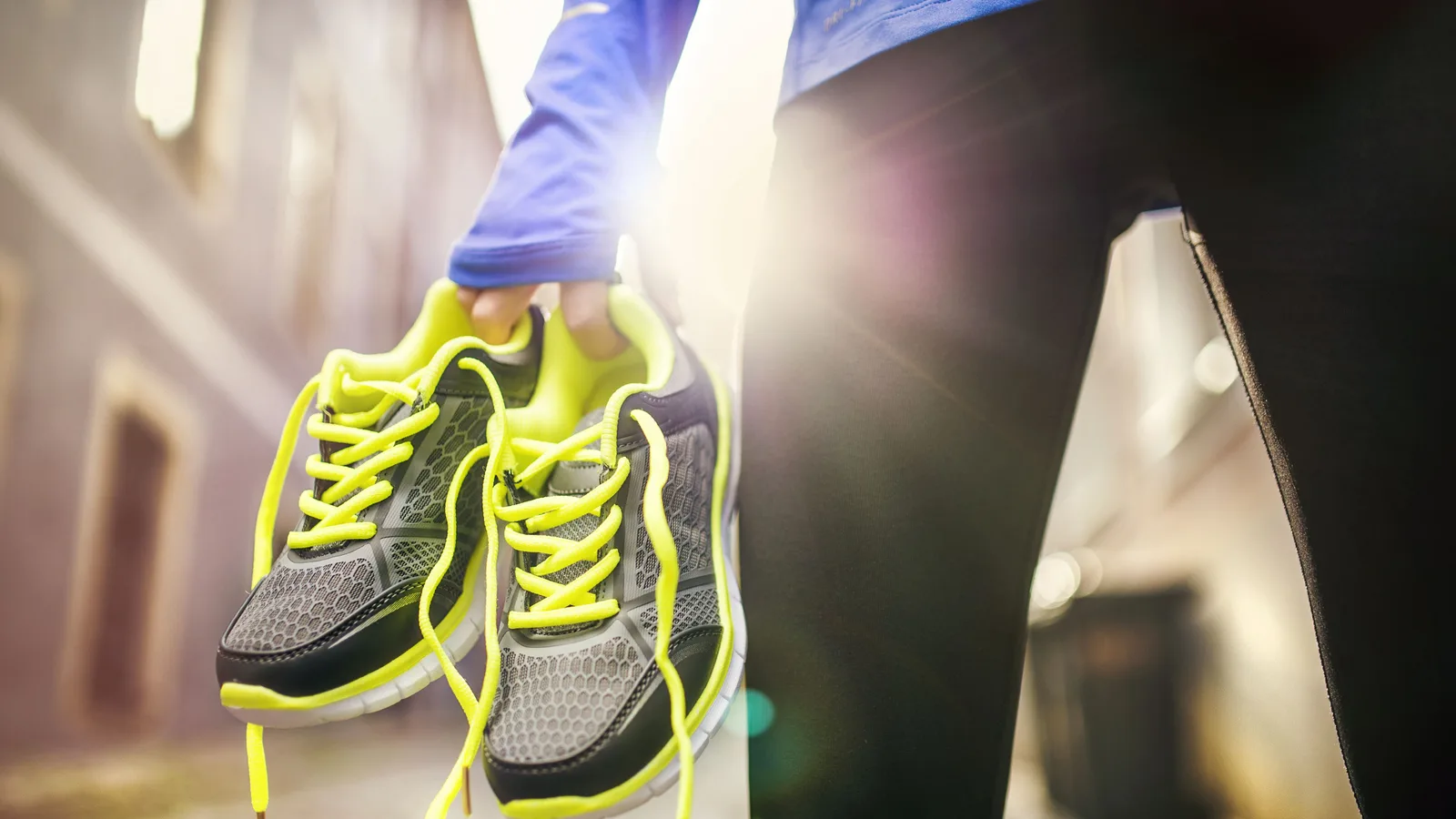
Best Running Shoes for Men 2026: 5 Picks for Every Runner
From plush daily trainers to a nylon-plated tempo shoe, here are five men's running shoes worth buying in 2026 — and how to pick the right one.
The quick answer: which men's running shoe should you buy?
Five shoes cover almost every man who runs on the road, and the right one depends on what you actually do with it rather than on which brand is loudest this season.
- ASICS Gel-Nimbus 27 — the comfiest all-rounder for steady 5–10K runs and long weekend miles.
- Brooks Ghost 16 — the safest first pair if you're new to running or replacing battered old trainers.
- Hoka Clifton 10 — for recovery days, long days on your feet and anyone who wants soft without heavy.
- ASICS Gel-Kayano 31 — the pick if a gait analysis flagged overpronation, or you want support without a hard post.
- Saucony Endorphin Speed 4 — a second pair for intervals, parkrun and race day, not your everyday shoe.
If you only read one line: buy the Nimbus 27 unless you overpronate (Kayano 31) or you're buying your very first pair on a careful budget (Ghost 16).
How the five picks compare
The four daily trainers, side by side on the things that change how a shoe feels
What matters
ASICS Gel-Nimbus 27
- Best for
- Long, cushioned neutral miles
- Cushioning
- Maximum and soft
- Stability
- Neutral
- Ride feel
- Plush and smooth
- Where it struggles
- Speed sessions
Brooks Ghost 16
- Best for
- First-time runners
- Cushioning
- Moderate and balanced
- Stability
- Neutral
- Ride feel
- Steady and predictable
- Where it struggles
- Tempo work
Hoka Clifton 10
- Best for
- Easy days and recovery
- Cushioning
- High and soft
- Stability
- Neutral, least stable of the four
- Ride feel
- Rockered and rolling
- Where it struggles
- Rough, uneven ground
ASICS Gel-Kayano 31
- Best for
- Overpronation and support
- Cushioning
- Moderate and supportive
- Stability
- Stability
- Ride feel
- Guided and secure
- Where it struggles
- Cost, and it's heavy
The Saucony Endorphin Speed 4 sits outside that group on purpose. It's the only plated shoe here, it's the lightest and fastest of the five, and it's the one you'd least want as your only pair — the ride is built for pace, not for plodding.
The five best running shoes for men for 2026
ASICS Gel-Nimbus 27
Best overall
ASICS's flagship neutral trainer is the closest thing here to a sofa for your feet. The FF BLAST+ MAX midsole is thick and forgiving, and the engineered knit upper wraps the midfoot without pressure points, which is why it works so well for long, slow miles and for heavier runners who want protection rather than feedback. It is not a shoe for intervals or a parkrun PB — there's little road feel and it carries some weight — but if you want one pair to cover steady runs and longer weekend outings in comfort, start here.
Why we rate it
- Plush, protective ride for long and easy runs
- Comfortable knit upper that suits broader feet
- Reliable neutral platform for heavier runners
What to weigh up
- Feels heavy and slow at pace
- Little road feel for speed sessions
- Full-price cost is high
Brooks Ghost 16
Best for beginners
The Ghost is the sensible first pair: neutral, predictable and comfortable from the first run, with Brooks's DNA Loft foam underfoot. It doesn't do anything dramatic, and that's the point — the ride is balanced enough for a first 5K and for the everyday training that follows. Wide-fit versions make it one of the easier shoes to fit if you have broad feet. Expect a slightly firm, unexciting feel and a shoe that prefers steady paces to fast ones.
Why we rate it
- Easy, predictable ride for new runners
- Wide fit options widely stocked in the UK
- Comfortable upper straight out of the box
What to weigh up
- Uninspiring underfoot feel
- Not lively enough for tempo work
Hoka Clifton 10
Best for easy days
The Clifton's trick is stacking a lot of soft foam while keeping the shoe light. Its rockered geometry rolls you from heel to toe, which makes recovery runs and long days on your feet feel easier than they should. The trade-off is stability: the soft, curved platform can feel vague on uneven ground or if you overpronate. The outsole also wears faster than some rivals if you spend your time on rough tarmac or towpaths.
Why we rate it
- Light for the amount of cushioning
- Smooth, rocking heel-to-toe transition
- Works well for recovery runs and standing all day
What to weigh up
- Less stable underfoot than the others
- Outsole durability is only average
- Fit runs on the narrower side
ASICS Gel-Kayano 31
Best for overpronation
If a gait analysis has flagged overpronation — or you simply want a shoe that keeps your foot from rolling inward — the Kayano is the benchmark. ASICS's 4D Guidance System supports the arch without the hard medial post that older stability shoes used, so it feels far less intrusive than the category's reputation suggests. It is heavier and pricier than the neutral options here, and runners with a neutral gait will be paying for support they don't need.
Why we rate it
- Supportive without feeling corrective
- Comfortable enough for long distances
- A good match for heavier runners
What to weigh up
- Heavier than the neutral alternatives
- Premium price
- Overkill for neutral runners
Saucony Endorphin Speed 4
Best for tempo and race day
The Speed is the pick for anyone racing 5K to half marathon or doing weekly intervals. A winged nylon plate sits inside PWRRUN PB foam, giving a springy, rolling ride that is easier to live with than a full carbon racer — and cheaper to replace. It is not a daily trainer for most people: the plate and firm foam feel harsh at plodding paces, and the minimal outsole won't last as long as a Ghost or Nimbus.
Why we rate it
- Fast, propulsive feel once you pick up the pace
- Versatile across intervals and race day
- Softer and more forgiving than a carbon racer
What to weigh up
- Uncomfortable at easy paces
- Outsole wears quickly
- Not a one-shoe solution
Everyday trainer vs tempo shoe: what actually changes
The Ghost and the Endorphin Speed sit at opposite ends of the same wardrobe
Difference
Brooks Ghost 16
- Best for
- Everyday miles and first pairs
- Underfoot
- DNA Loft foam, no plate
- At an easy pace
- Comfortable and settled
- Durability
- Built for daily volume
- Buy it if
- You want one pair to do everything
Saucony Endorphin Speed 4
- Best for
- Intervals, parkrun and race day
- Underfoot
- PWRRUN PB foam with a winged nylon plate
- At an easy pace
- Firm and slightly awkward
- Durability
- Lighter outsole with a shorter life
- Buy it if
- You already have a daily trainer
The honest answer for most men is that a daily trainer does 80% of the work and a tempo shoe is a treat. Buy the everyday pair first, run in it for a few months, then add the faster shoe once you know you'll use it.
How to choose men's running shoes
Start with the running, not the shoe. Note your typical distance, pace and surface for a fortnight. Two 5K jogs a week and a Sunday 10K point to a single cushioned neutral trainer; a mix of intervals and a spring half marathon justifies a second, faster pair.
Cushioning is a comfort choice, not a safety one. More foam means more protection and less road feel. Maximum-cushion shoes like the Nimbus and Clifton suit long, steady runs and heavier runners; firmer, lower shoes feel quicker and give more feedback.
Only buy stability if you need it. Neutral shoes suit most runners. If you have a history of shin, knee or ankle trouble, or a gait analysis has shown your ankle rolling inwards, a shoe like the Kayano 31 gives support without forcing your foot around.
Fit beats everything else on this page. There should be roughly a thumb's width between your longest toe and the end of the shoe, a snug heel with no slipping, and no pressure across the top of the foot. Try shoes on late in the day, in the socks you run in.
Check the width options. Brooks and ASICS both sell wide fits of the models above in the UK, which is often a better fix for a cramped forefoot than going up a size.
Think about the surface. All five shoes here are road and pavement trainers. If most of your running is on trails, mud or towpath gravel, you want a trail shoe with proper lugs instead.
Fit, sizing and buying in the UK
Running shoes are not sized like formal shoes. Most runners go half a size up from their everyday shoe to allow for feet swelling on longer runs, but fit varies by brand and by model within a brand, so treat any sizing advice — including a review's — as a starting point only.
A few practical points for buying here:
- Rotate two pairs if you can. Alternating shoes lets the foam recover between runs and spreads the wear, which usually means both pairs last longer than one would on its own.
- Buy last season's colourway. Shops discount older colours of the same shoe heavily once a new version lands; the midsole and upper are usually identical.
- Replace on feel, not on looks. Cushioning compresses long before the upper looks worn. If a shoe that used to feel soft now feels flat, or niggles appear that weren't there before, it's done.
- Keep them for running. Wearing your trainers for the gym, DIY and dog walks will wear the midsole out months early.
The verdict
Men's running shoes: common questions
Are men's and women's running shoes actually different?
Do I need a carbon-plated shoe to get faster?
How do I know whether I need a stability shoe?
Can I wear running shoes in the gym?
How long should a pair of running shoes last?
Should I size up in running shoes?
Related articles
Best Concealer 2026: 5 Picks for Every Skin Type & Finish
Five concealers worth buying in 2026, from a high-street budget hero to full-coverage and brightening formulas for under-eyes and blemishes.
Best Picks
Best Eye Cream for Dark Circles 2026: 5 Honest Picks
Dark circles aren't all the same. Five eye creams for puffiness, pigmentation and dry skin, plus how to choose a formula that suits your eyes.
Best Picks
Best Eye Cream 2026: 5 Picks for Every Budget and Concern
From high-street bargains to counter favourites, five eye creams compared for puffiness, dark circles and dry skin — plus how to choose one.
Best Picks
Best Foundation for Mature Skin 2026: 5 Picks for Every Budget
Five foundations that flatter mature skin, from a luminous Armani classic to a high-street L'Oréal pick — finishes, coverage and what suits whom.
Best Picks
Best Foundation 2026: 5 Picks for Every Skin Type & Budget
Five foundations worth knowing in the UK, from long-wear matte to glowy luxury and high-street budget buys — compared by finish, coverage and skin type.
Best Picks
Best Mascara 2026: 5 Picks for Length, Volume and Curl
Five mascaras worth the shelf space, from a lengthening hero to a gentle formula for sensitive eyes — plus how to choose the right brush for your lashes.
Best Picks
Best Moisturisers for Dry Skin 2026: 5 Picks for Every Budget
Dry, tight or flaky skin? We compare five moisturisers for dry skin — from rich balms to lightweight daily lotions — and explain which suits whom.
Best Picks
Best Running Shoes for Women 2026: 5 Picks for Every Runner
Our edit of the best running shoes for women in 2026, from cushioned daily trainers to stability picks, with clear advice on fit and gait.
Best Picks
Best Running Shoes 2026: 5 Picks for Every Kind of Runner
Five running shoes worth buying in 2026, from neutral daily trainers to stability and max-cushion picks, plus how to choose the right pair for you.
Best Picks
Best Skin Care Products 2026: 5 Picks for Every Routine
Our pick of the best skin care products in the UK for 2026, from a gentle micellar cleanser to a lightweight SPF, with advice on building a routine.
Best Picks
Best Tinted Moisturiser 2026: 5 Picks for Every Skin Type
Our edit of the best tinted moisturisers for sheer, even coverage, from NARS to Laura Mercier, plus how to choose the right formula for your skin.
Best Picks
Best Trainers for Walking 2026: 5 Picks for Everyday Comfort
We compare five trainers that work for everyday walking in the UK, from plush max-cushion options to wide fits and easy slip-on styles.
Best Picks