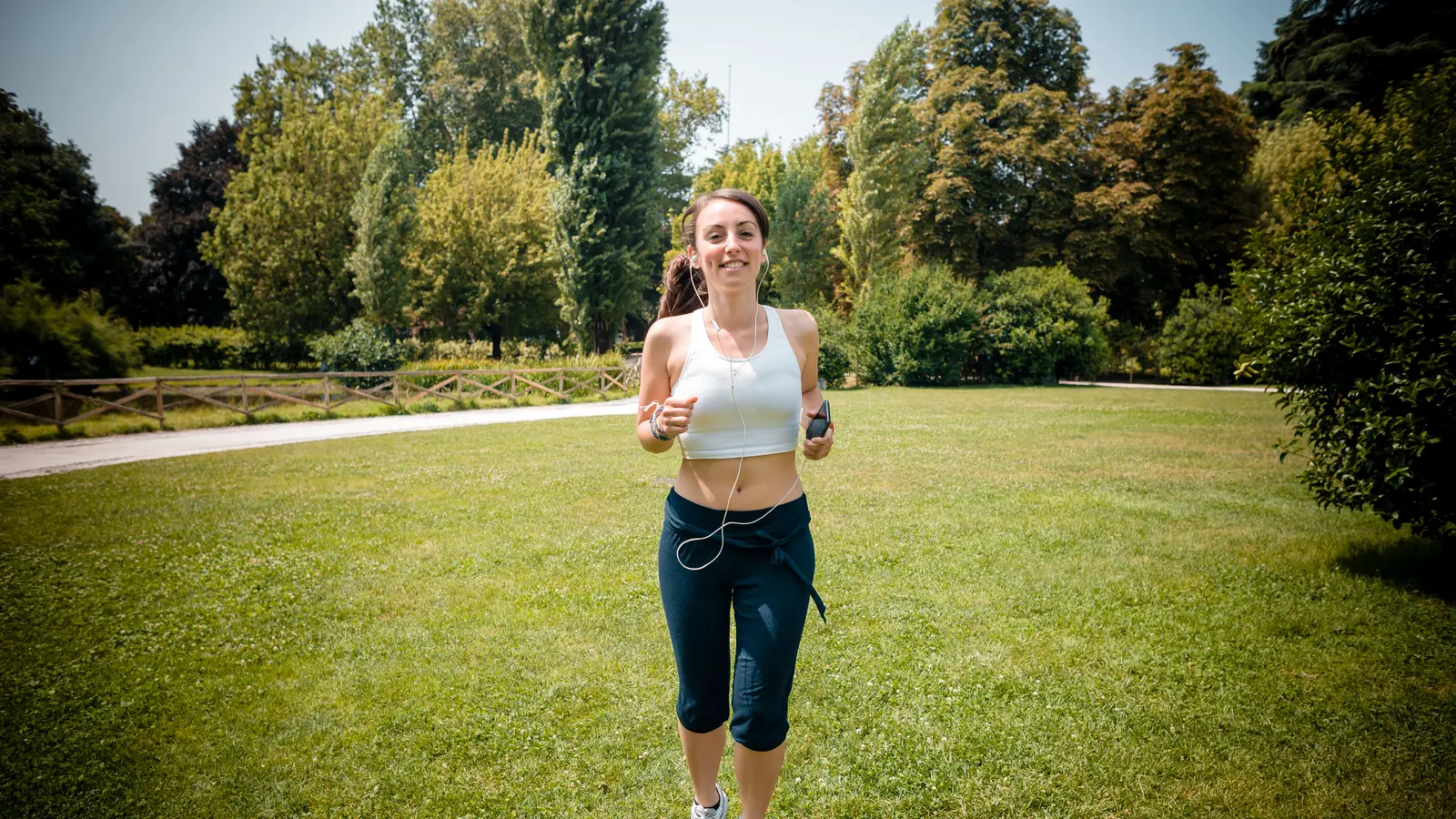
Best Running Shoes for Women 2026: 5 Picks for Every Runner
Our edit of the best running shoes for women in 2026, from cushioned daily trainers to stability picks, with clear advice on fit and gait.
The quick answer
If you want one pair for most runs, the Brooks Ghost 17 is the safest starting point: neutral, balanced and forgiving over daily miles. If you want a softer landing for long runs, go for the ASICS Gel-Nimbus 27. Runners who overpronate should look at the Saucony Guide 18, while the Hoka Clifton 10 suits anyone who wants light cushioning and the Nike Pegasus 41 is the versatile alternative for mixed training.
- Best overall: Brooks Ghost 17
- Best for long runs: ASICS Gel-Nimbus 27
- Best light max cushion: Hoka Clifton 10
- Best for overpronation: Saucony Guide 18
- Best mixed-training alternative: Nike Pegasus 41
How the five compare
Side-by-side facts for four key picks. The Nike Pegasus 41 is the closest all-round alternative to the Ghost 17.
What to compare
Brooks Ghost 17
- Best for
- Everyday neutral miles
- Support type
- Neutral
- Cushioning level
- Balanced
- Ride feel
- Balanced and smooth
- Typical use
- Parkrun, 5K to 10K
- Not ideal for
- Fast intervals
- Best distance
- 5K to 10K
ASICS Gel-Nimbus 27
- Best for
- Long, cushioned runs
- Support type
- Neutral
- Cushioning level
- Max
- Ride feel
- Plush and protective
- Typical use
- Half marathon and recovery
- Not ideal for
- Speed sessions
- Best distance
- Half to full marathon
Hoka Clifton 10
- Best for
- Light max cushion
- Support type
- Neutral
- Cushioning level
- Max
- Ride feel
- Soft with a rocker
- Typical use
- Easy days and standing
- Not ideal for
- Gym classes
- Best distance
- 5K to half marathon
Saucony Guide 18
- Best for
- Overpronation support
- Support type
- Stability
- Cushioning level
- Moderate
- Ride feel
- Firm and guided
- Typical use
- Daily runs with guidance
- Not ideal for
- Soft-ride fans
- Best distance
- 5K to half marathon
Best everyday neutral running shoes
Brooks Ghost 17
Best overall everyday trainer
The Ghost is the benchmark neutral daily trainer: a DNA Loft v3 midsole, a 12 mm drop and an engineered mesh upper that holds the foot without pressure. It is not the softest shoe here, but the ride is smooth and predictable, which makes it easy to recommend for 5K to 10K runs, parkrun and everyday training. The fit is true to size for most runners, with a toe box that leaves room without feeling sloppy.
Strengths
- Balanced cushioning that works on roads and pavement
- Smooth heel-to-toe transition
- Consistent, roomy fit
- A safe choice for a first proper running shoe
Trade-offs
- Not lively enough for fast intervals
- Heavier than lightweight trainers
- Limited ground feel
Nike Pegasus 41
Best all-rounder for mixed runs
The Pegasus 41 uses ReactX foam and two Air Zoom units, one in the forefoot and one in the heel. It is a neutral shoe with a 10 mm drop and a slightly firmer, more responsive ride than the Ghost. That makes it a good choice if you want one pair for easy runs, tempo efforts and treadmill sessions. The outsole is durable enough for daily wear, though the upper is less plush than the Nimbus.
Strengths
- Versatile enough for easy and faster runs
- Responsive Air Zoom cushioning
- Durable outsole for daily mileage
Trade-offs
- Firmer than max-cushion shoes
- Less forgiving on very long runs
- Not a stability shoe
Best for cushioning, recovery and stability
ASICS Gel-Nimbus 27
Best for long, cushioned runs
The Gel-Nimbus 27 is ASICS’s max-cushion neutral trainer, built with FF BLAST+ MAX foam and PureGEL in the heel. The result is a soft, protected landing that suits long runs, recovery days and runners who prefer a plush ride. The engineered knit upper is breathable and secure, and the 8 mm drop feels natural for most runners. It is heavier and less responsive than the Pegasus, so it is not the pick for fast sessions.
Strengths
- Plush, protective cushioning
- Comfortable knit upper
- Good for long and easy runs
Trade-offs
- Heavier than neutral trainers
- Less ground feel
- Softer ride can feel vague at speed
Hoka Clifton 10
Best lightweight max cushion
The Clifton 10 keeps Hoka’s light-for-its-cushion formula: a compression-moulded EVA midsole and an early-stage meta-rocker that helps the foot roll through. It is a neutral shoe, so it suits runners who do not need extra guidance. The ride is soft without being mushy, and the rocker makes easy days feel a little smoother. The trade-off is that the outsole can wear faster than firmer trainers, and the shoe is less stable for gym work.
Strengths
- Light for a max-cushion shoe
- Rocker helps easy turnover
- Comfortable for recovery runs
Trade-offs
- Outsole wear can appear early
- Not ideal for lifting or gym classes
- Less guidance than stability shoes
Saucony Guide 18
Best for overpronation
The Guide 18 is Saucony’s stability trainer, using PWRRUN cushioning and Center Path Technology to guide the foot without the hard medial posts of older designs. It suits runners who overpronate and want a daily shoe that still feels flexible. The ride is firmer than the Nimbus or Clifton, with more feedback underfoot. If you are a neutral runner who prefers a soft shoe, this is probably more guidance than you need.
Strengths
- Supportive without feeling harsh
- Flexible enough for daily runs
- Good for overpronation
Trade-offs
- Firmer than cushioned neutral shoes
- Too much guidance for some neutral runners
- Less plush for recovery days
What to look for when buying women's running shoes
Start with your gait. Most women do not need a stability shoe, but if you overpronate — your ankle rolls inward noticeably — a guided shoe such as the Guide 18 can feel more comfortable. A gait analysis at a specialist running shop is more reliable than guessing from the wear pattern on an old pair.
Match cushioning to distance and preference. A balanced shoe like the Ghost 17 works for most daily runs. Max-cushion shoes such as the Nimbus 27 and Clifton 10 suit long days or runners who want a softer landing, but they can feel vague at speed.
Check the drop. Heel-to-toe drop ranges from low to 12 mm. A 12 mm drop like the Ghost 17 feels familiar to many runners; an 8 mm drop like the Nimbus 27 or Guide 18 encourages a slightly more midfoot landing. Neither is better — choose what feels natural.
Fit the widest part of your foot. The shoe should hold your midfoot without pinching the toes. Women’s-specific models often have a narrower heel and a different last, but a unisex shoe in the right size can work just as well.
Look at the upper and outsole. A breathable mesh upper helps in warmer weather; a durable outsole matters if you run on pavement every day. Road shoes are not designed for muddy trails.
Try before you buy if you can. Feet swell during the day and during runs, so shop later in the day and wear your usual running socks.
Fit, sizing and when to replace
Sizing is the most common reason a good shoe feels wrong. Leave about a thumb’s width between your longest toe and the end of the shoe, and check that your heel does not slip when you walk or jog. If you wear orthotics, take them with you.
Replace running shoes when the midsole feels flat, the outsole is worn through, or you notice new aches in your feet, shins or knees. A common guide is every 300 to 500 miles, but pavement running, weight and storage conditions all affect wear. Rotating two pairs can extend the life of each.
Our verdict
Common questions about women's running shoes
Do women need women's-specific running shoes?
How do I know if I overpronate?
Should I go up a size in running shoes?
Can I use these shoes for walking or the gym?
How long do running shoes last?
Related articles
Best Concealer 2026: 5 Picks for Every Skin Type & Finish
Five concealers worth buying in 2026, from a high-street budget hero to full-coverage and brightening formulas for under-eyes and blemishes.
Best Picks
Best Eye Cream for Dark Circles 2026: 5 Honest Picks
Dark circles aren't all the same. Five eye creams for puffiness, pigmentation and dry skin, plus how to choose a formula that suits your eyes.
Best Picks
Best Eye Cream 2026: 5 Picks for Every Budget and Concern
From high-street bargains to counter favourites, five eye creams compared for puffiness, dark circles and dry skin — plus how to choose one.
Best Picks
Best Foundation for Mature Skin 2026: 5 Picks for Every Budget
Five foundations that flatter mature skin, from a luminous Armani classic to a high-street L'Oréal pick — finishes, coverage and what suits whom.
Best Picks
Best Foundation 2026: 5 Picks for Every Skin Type & Budget
Five foundations worth knowing in the UK, from long-wear matte to glowy luxury and high-street budget buys — compared by finish, coverage and skin type.
Best Picks
Best Mascara 2026: 5 Picks for Length, Volume and Curl
Five mascaras worth the shelf space, from a lengthening hero to a gentle formula for sensitive eyes — plus how to choose the right brush for your lashes.
Best Picks
Best Moisturisers for Dry Skin 2026: 5 Picks for Every Budget
Dry, tight or flaky skin? We compare five moisturisers for dry skin — from rich balms to lightweight daily lotions — and explain which suits whom.
Best Picks
Best Running Shoes for Men 2026: 5 Picks for Every Runner
From plush daily trainers to a nylon-plated tempo shoe, here are five men's running shoes worth buying in 2026 — and how to pick the right one.
Best Picks
Best Running Shoes 2026: 5 Picks for Every Kind of Runner
Five running shoes worth buying in 2026, from neutral daily trainers to stability and max-cushion picks, plus how to choose the right pair for you.
Best Picks
Best Skin Care Products 2026: 5 Picks for Every Routine
Our pick of the best skin care products in the UK for 2026, from a gentle micellar cleanser to a lightweight SPF, with advice on building a routine.
Best Picks
Best Tinted Moisturiser 2026: 5 Picks for Every Skin Type
Our edit of the best tinted moisturisers for sheer, even coverage, from NARS to Laura Mercier, plus how to choose the right formula for your skin.
Best Picks
Best Trainers for Walking 2026: 5 Picks for Everyday Comfort
We compare five trainers that work for everyday walking in the UK, from plush max-cushion options to wide fits and easy slip-on styles.
Best Picks